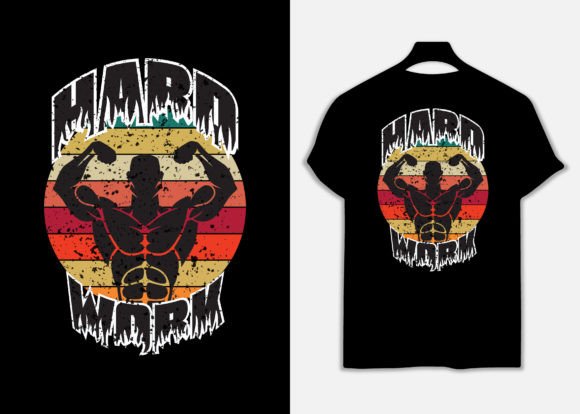
Hard Work Retro T-Shirt Design: A Timeless Creative Asset
In the fast-paced world of graphic design, finding assets that blend nostalgia with modern appeal is like striking gold. The Hard Work Retro T-Shirt Design is a perfect example, capturing the gritty, motivational spirit of vintage aesthetics with the clean execution required for today's digital and print applications. This design isn't just a graphic; it's a versatile tool that communicates determination and authenticity, making it invaluable for creators building a compelling brand narrative.
The Visual Power of Retro Aesthetics
Retro design trends have made a powerful resurgence, offering a sense of familiarity and trust that modern minimalism sometimes lacks. This particular asset leverages classic typography and worn textures to create immediate visual hierarchy and emotional resonance. For designers, understanding how to use such elements effectively is key to enhancing visual communication. The retro style works because it tells a story at a glance, making it ideal for projects where you need to establish a strong, relatable identity quickly.
Practically, the value of a resource like the Hard Work Retro T-Shirt Design lies in its foundational quality. As a 100% vector file, it guarantees scalability without loss of resolution, a critical factor for professional print design and large-format applications. The included file formats—PNG, PDF, Eps, DXF, and SVG—ensure compatibility across virtually any software, from Adobe Illustrator and Photoshop to Cricut and Silhouette design space, streamlining your design workflow significantly.
Practical Applications Across Creative Projects
The true measure of a design asset is its versatility. This graphic excels across a multitude of creative projects, serving as a cornerstone for cohesive branding and marketing materials.
- Branding and Merchandise: Instantly create a brand identity for fitness apparel, motivational coaching, or tool-related businesses. It's perfect for T-shirts, hoodies, and hats, but its application extends to mugs, bags, and posters.
- Digital Marketing and Social Media: Use the design to craft eye-catching social media graphics, YouTube thumbnails, or Instagram posts. The bold, retro style cuts through the noise of crowded feeds, improving user engagement and click-through rates.
- Packaging and Editorial Design: Incorporate the typography and motif into product packaging for a rustic, artisanal feel. It also adds character to editorial layouts, such as magazine headers or blog featured images, enhancing the overall user experience.
Tips for Effective Implementation
To maximize the impact of this design, consider a few key principles of visual design. First, color palette selection is crucial. While the original retro palette is effective, the vector format allows for easy color changes to align with a client's existing brand system. Ensure high contrast for readability, especially when placing text over complex backgrounds.
Second, think about composition and scale. The design can serve as a standalone hero graphic or be integrated as a supporting element within a larger layout. When using it for web design or UI design, ensure it complements rather than overwhelms other interface elements. For print, always check the final output size and resolution to maintain a professional presentation.
Finally, respect the design's inherent character. Its strength lies in its vintage, hard-won aesthetic. Pair it with fonts and imagery that share a similar tone—think sturdy serifs, distressed textures, or authentic photography—to create a cohesive and authentic message that resonates with your target audience.
Investing in high-quality, well-crafted creative assets is an investment in clear communication and brand strength. A resource like this provides not just a graphic, but a starting point for deeper storytelling, enabling designers and business owners to produce work that is both visually striking and strategically effective. Thoughtful design choices, supported by versatile assets, ultimately bridge the gap between a simple idea and a memorable visual experience.